

Across Australia, holistic wellness is moving from the margins into the mainstream. More people are seeking care that goes beyond treating symptoms, care that considers lifestyle, emotional wellbeing, and long-term balance. This shift reflects a growing appetite for whole-person health approaches.
The scale of Australia’s investment in health highlights why interest in complementary care is rising. According to the most recent published reports from the Australian Institute of Health and Welfare (AIHW), total health expenditure in 2022–23 was $252.5 billion, around $9,597 per person. This represented 9.9% of Australia’s GDP, slightly below pandemic highs but still significant. Governments funded about 71% of the total, while individuals, insurers, and other non-government sources contributed the rest.
With so much focus and spending, directed toward healthcare, Australians are increasingly asking how holistic wellness can complement traditional services and support healthier lives.
At CannaAid Medical, we guide individuals through this evolving landscape, offering telehealth consultations and evidence-informed advice on alternative, natural, and complementary medicines, always aligned with Australian regulations.
This blog takes a thoughtful look at what’s behind the buzz, why holistic wellness is on the rise, and how it connects with broader healthcare trends.
Holistic wellness is about caring for the whole person. Instead of focusing solely on one symptom or condition, it considers the interplay between:
Where conventional healthcare often targets specific problems, holistic wellness looks at patterns and lifestyle influences. It is not about replacing medical treatment but complementing it with preventive and supportive practices that encourage balance and wellbeing.
This whole-person perspective resonates with many Australians who want their healthcare to reflect both medical expertise and personal values.
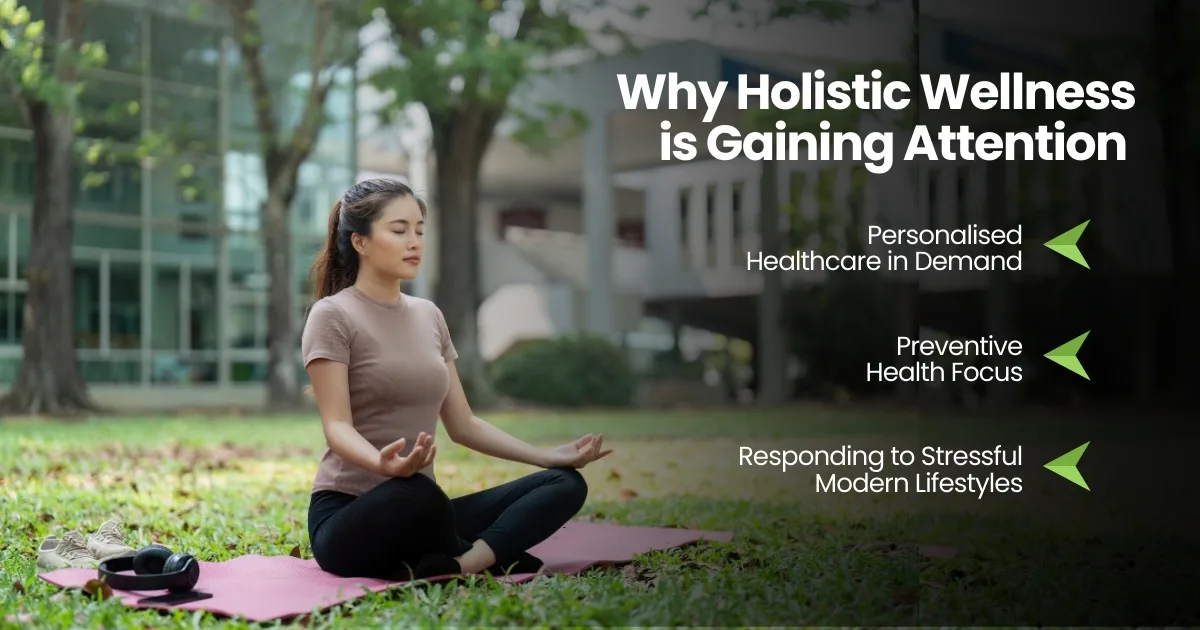
Australians are seeking approaches tailored to individual circumstances rather than “one-size-fits-all” solutions. Holistic wellness allows for care that reflects cultural, lifestyle, and personal preferences.
With health spending accounting for almost 10% of GDP (AIHW 2022–23), prevention is more important than ever. People are motivated to reduce avoidable hospitalisations and long-term health burdens through lifestyle improvements and complementary practices.
Digital overload, long work hours, and sedentary habits contribute to rising stress. Holistic approaches such as mindfulness, yoga, and lifestyle counselling are increasingly being adopted to restore balance.
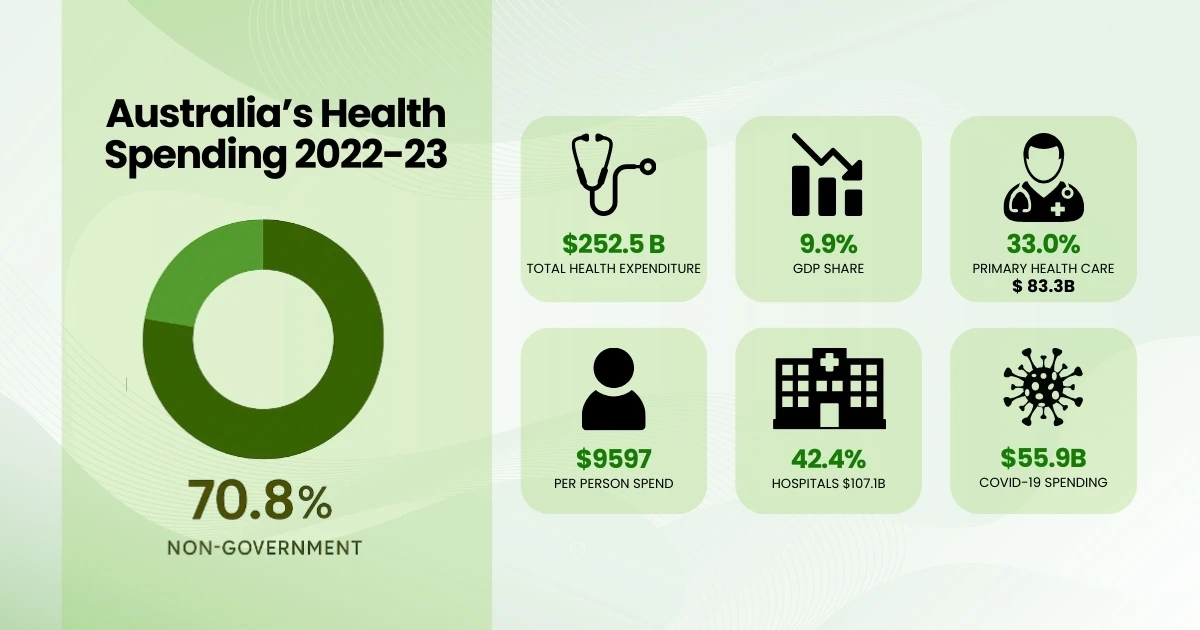
To put holistic wellness into context, here’s how Australia’s healthcare system allocates its resources, as reported by AIHW in its most recent publication (AIHW 2022–23):
These figures show how heavily Australia invests in traditional systems like hospitals and primary care, yet they also highlight opportunities for complementary approaches that focus on prevention and whole-person wellbeing.
Mindfulness, meditation, and counseling are central to emotional resilience. Growing evidence suggests these practices support stress reduction and improved quality of life.
At CannaAid Medical, this focus extends to services such as Mental Health Care Plans, psychology sessions, and professional guidance on natural medicine; all offered as part of a holistic wellness approach that integrates mind, body, and lifestyle.
Balanced nutrition, adequate sleep, and regular movement form the foundation of physical wellness. Many individuals also explore complementary therapies and natural medicines, available through regulated pathways, as supportive measures.
Spiritual wellness looks different for everyone. For some, it’s cultural practice; for others, community engagement or personal reflection. Holistic wellness makes space for this individuality.
Scientific research continues to explore the benefits of integrative health approaches. Studies into mindfulness, plant-based nutrition, and complementary therapies are showing promising results in areas such as stress, resilience, and overall wellbeing.
It’s important to note that not all therapies are universally supported by clinical evidence. In Australia, some natural and complementary medicines are available as unapproved therapeutic goods under TGA pathways, meaning access is regulated and should only be undertaken with professional oversight.
This balance, openness to new approaches alongside rigorous standards of safety and evidence, is at the heart of responsible holistic care.
Telehealth has revolutionised healthcare delivery in Australia. It makes consultations more accessible, especially for people in regional or rural areas, and supports ongoing care without the barrier of travel.

At CannaAid Medical, telehealth is a cornerstone of our service, offering secure, professional access to holistic health consultations across Australia.
The rise of holistic wellness comes with the responsibility to make informed choices.
1. Seek qualified advice – always consult a trained healthcare provider before starting new therapies.
2. Check regulation and evidence – ensure treatments fall within recognised frameworks, such as TGA pathways.
3. Integrate with conventional medicine – holistic practices are most effective when combined with standard care.
4. Be transparent – share any complementary treatments with your GP or specialist to avoid interactions.
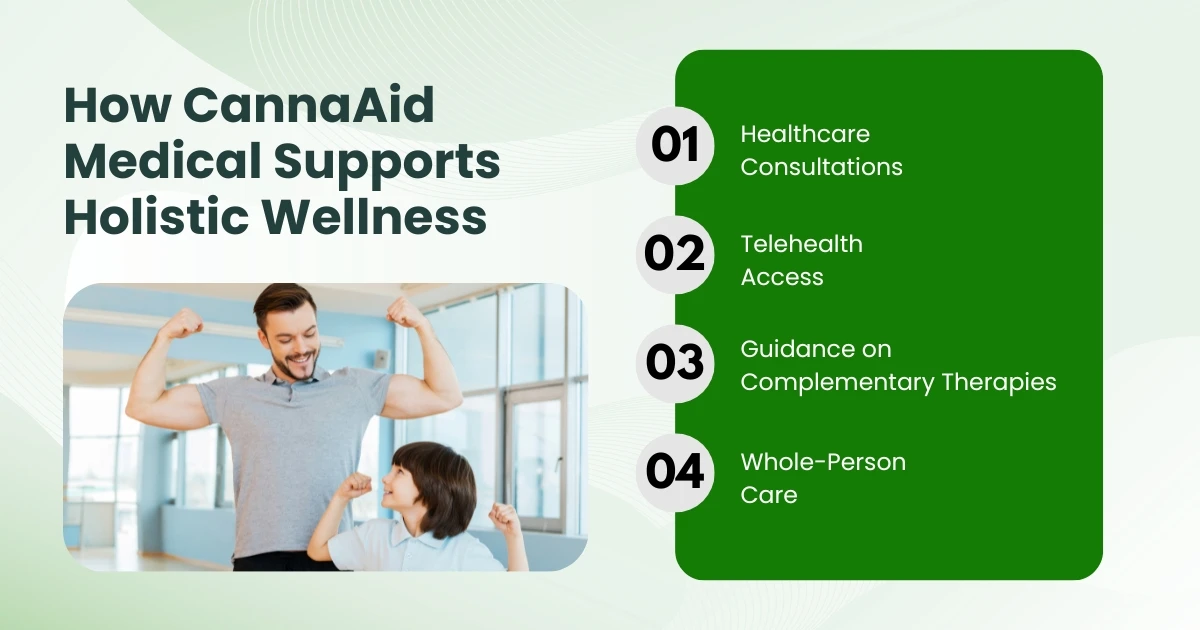
At CannaAid Medical, we provide:
Our practitioners are committed to delivering compassionate, evidence-informed care that empowers patients to make safe, balanced health choices.
The buzz around holistic wellness reflects more than a trend, it’s part of a broader evolution in healthcare. Australians are increasingly recognising the value of caring for the whole person: mind, body, and spirit.
With health expenditure exceeding $252 billion a year, there is growing awareness that prevention and personalised care are essential to creating a sustainable, healthier future.
At CannaAid Medical, we’re proud to support this shift. Through telehealth consultations and professional guidance in natural and complementary medicine, we help Australians explore holistic wellness safely and responsibly.