


Across the world, people are moving away from care focused only on symptoms toward wellbeing philosophies that encourage balance, harmony, and self-responsibility. Holistic and natural approaches to health explore ways to support the body, mind, and spirit together, in alignment with lifestyle choices that promote resilience and vitality.
Organisations led by practitioners of natural therapies and personalised wellness approaches are at the forefront of this change. These models empower clients by creating safe spaces for meaningful conversations and by encouraging individuals to take an active role in their well-being journey.
Holistic care is not about quick solutions, but about building sustainable connections with ourselves and our environment. It recognises the relationship between our health, our practitioners’ perspectives, and the lifestyle changes that help us feel aligned and supported.
Unlike models that focus solely on isolated symptoms, holistic care highlights individuality and the ever-changing nature of our circumstances. It is about understanding people as unique beings, adapting to their situation, and encouraging awareness of wellbeing practices that fit into daily life.
The term natural health practitioner often refers to qualified professionals who incorporate nature-aligned methodologies and lifestyle options into their practice. This may include an understanding of nutrition, herbs, mindfulness, traditional philosophies, or supportive manual techniques.
Practitioners work collaboratively with clients, promote informed choices, and encourage curiosity around practices that support self-awareness and balance. Their work is guided by ethical frameworks, ongoing education, and, where relevant, evidence-based knowledge.
Achieving professional qualifications as a certified natural health practitioner is evidence of commitment to a regulated standard of ethical care. Certification usually requires exams, practice hours supervised by a qualified person, police checks, and continuing professional development.
It helps the client’s that increase the level of confidence, creates opportunities for potential collaboration with additional healthcare providers, and indicates status within quality frameworks. In a growing space of natural healthcare, certified practitioners will be vital to ensuring safety, professionalism, and trustworthiness.
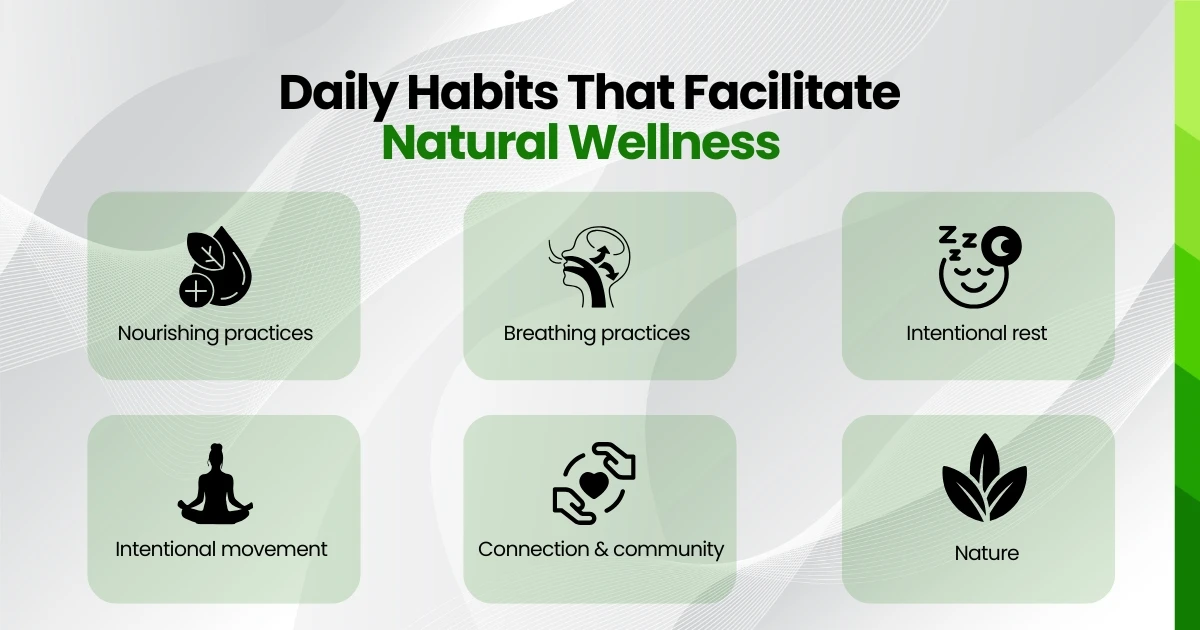
Natural healthcare remains complementary to conventional medicine in producing the best outcome. Many people simply use natural healthcare to stay true to their daily balance plan to strengthen their resilience baseline.
This model emerges on the premise that people can make informed choices while also honoring their own cultural, spiritual, and personal belief systems by creating the much-needed room for innovative thinking and tailor-made care plans while responding in real time to their life situation.
It is notable for its combination of medical professionalism and natural therapy principles, providing a clinically structured and compassionate model. Their service is open and ethical in relation to consultation cost transparency and appointment flexibility (including telehealth and after-hours service).
It focuses on ethical practice and accessibility, providing comprehensive assessments, personalised suggestions, and ongoing support. Their model defines any natural therapy as industry professional, credible and truly supportive, not alternative or fringe.
Continued ongoing training, communication, and ethical commitment will influence natural healthcare. More individuals are pursuing a holistic modality earlier in life as preventative wellbeing becomes a lifestyle expectation. The growing awareness of mental, emotional, and environmental factors is expanding the breadth of natural therapy services offered.
Companies like CannaAid Medical are showing that natural models can be compassionate, clinically safe, and professionally administrated. Greater trust will lead to more formalised collaboration between natural practitioners and mainstream healthcare providers.
Wellness is not an end goal or destination, rather a lifetime commitment to balance, awareness and a mindful way of living. With faithful health practitioners as well as ethically motivated suppliers such as CannaAid Medical, holistic care is becoming more accessible, evaluative and respected. Whether you are making simple lifestyle changes, tapping into professional supports, or walking the path yourself of becoming a natural practitioner, this movement invites you to live intentionally in connection with nature, community and your highest potential.
Disclaimer: The information on this page is for general educational purposes only and should not be considered medical advice. Natural therapies are complementary in nature and are not a substitute for professional medical care. Please consult a qualified healthcare professional for any medical concerns.